

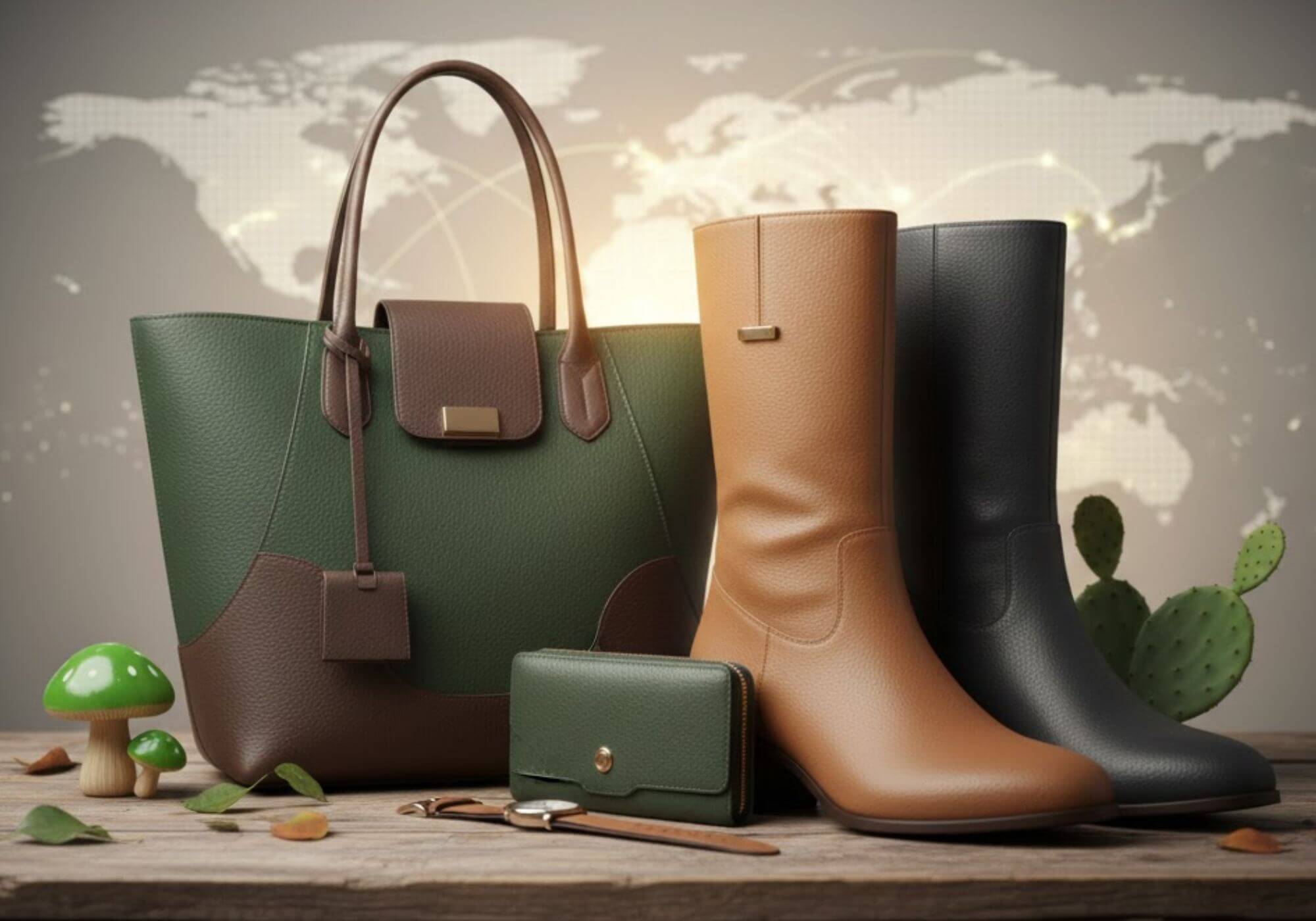
Introduction: Why Sustainable Leather Matters Now More Than Ever
I’ll be totally honest—I used to think that “eco-friendly” fashion meant sacrificing that buttery, high-end feel we all love. It always felt like you had to choose between a gorgeous aesthetic and a clean conscience. But lately, things have genuinely changed. You’ve probably seen sustainable leather popping up in your favorite shops, and it’s honestly such a relief. It’s not just a marketing gimmick or a passing phase; it feels like the industry is finally growing up and taking responsibility for its footprint.
This whole movement is really being pushed by us—people who are just tired of the “buy fast, toss fast” lifestyle. We want stuff that actually lasts, but we don’t want it to come at the cost of the planet. The cool part is how creative the solutions have become. Instead of using those old, harsh chemicals, makers are turning to things like vegetable tannins or even recycled fibres. Sustainable leather is proving that we can still have those heirloom-quality pieces that age beautifully without leaving a mess behind.
It’s just a much better way to shop. There’s something so satisfying about wearing a pair of boots or carrying a bag knowing it was made with a bit of heart and respect for the earth. When you go for sustainable leather, you aren’t just following a trend; you’re basically voting for a future where we don’t have to feel guilty about loving fashion. It’s about buying less, choosing better, and feeling good about what’s in your closet.
What Exactly Is Sustainable Leather?
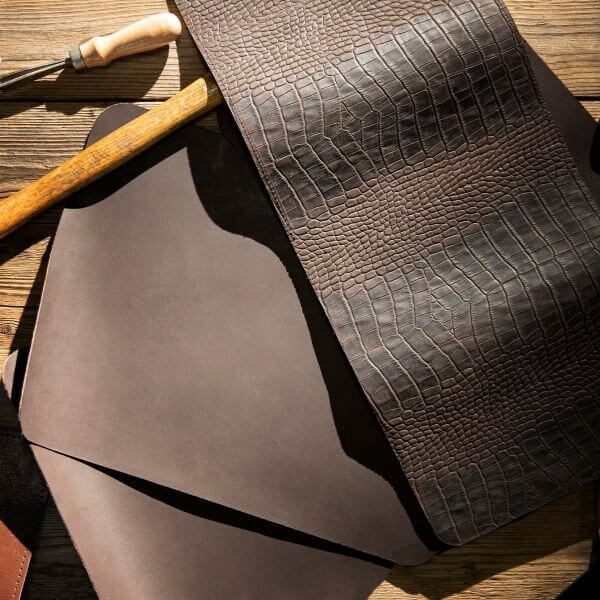
So, what does sustainable leather actually look like when you strip away all the fancy industry talk? At its heart, it’s just about making things in a way that doesn’t wreck the neighbourhood. Instead of the old-school methods that relied on heavy chemicals like chromium—which, let’s be honest, was a disaster for local water supplies—we’re seeing a return to much kinder ways of doing things. You’ve probably heard of vegetable tanning; it’s this beautiful, ancient process using plant extracts like bark and leaves. It takes longer, but the result is a piece of leather that’s biodegradable and smells like the woods instead of a lab.
But it’s not just about the tanning. When we talk of the sustainable leather we discuss about the hides that are sourced ethically for the food industry that goes to waste. And honestly, the science side of it is getting pretty wild too. We’re now seeing “leather” grown from mushrooms, pineapples, and even in labs using cellular technology.
It’s pretty cool because you get that same rugged, premium feel without the heavy environmental guilt. It’s about transparency and knowing that the boots on your feet or the wallet in your pocket didn’t come at a hidden cost to someone else’s backyard. For me, that’s the real win: having more choices that actually align with how we want to treat the world.
The Environmental Benefits You Can’t Ignore
When you decide to go with sustainable leather, you’re doing a lot more than just picking out a nice accessory—you’re actually making a pretty bold statement for the planet. We don’t often think about it, but old-school leather making is incredibly thirsty, soaking up massive amounts of water and energy. Beyond that, the traditional tanning process creates this nasty toxic sludge that can end up poisoning local rivers. It’s a heavy price to pay for a handbag. Sustainable leather flips that script, cutting water usage by nearly half and keeping those harmful chemicals out of our ecosystems entirely.
What I find cool is how much of a difference this makes for real people. When we drop the chromium for the biodegradable plant extracts, we help to protect the clean drinking water. It’s a direct, measurable win. Plus, the carbon footprint is way smaller. Whether it’s using hides that would have otherwise been thrown away by the food industry or trying out lab-grown options that cut emissions by a staggering 90%, sustainable leather is proving we can be stylish without being wasteful.
It’s all about that “closed-loop” mindset. These makers aren’t just trying to sell you something; they’re obsessed with efficiency, making sure every scrap is used and nothing ends up in a landfill. Some even compost their organic waste to give back to the soil. It feels good to know that your investment is going toward a product that actually respects the Earth’s limits. At the end of the day, it’s about high-quality gear that looks beautiful and leaves the world a little cleaner than we found it.
How Global Markets Are Embracing This Leather ?
It’s honestly amazing to see how the global map of fashion is being redrawn right now. If you look at the runways in Milan or Paris this year, you’ll see that the biggest names in luxury are no longer just “dipping their toes” into eco-friendly materials—they are diving in headfirst. Sustainable leather has officially moved from the niche boutiques to the high-fashion mainstage. It’s a huge win for us as consumers, because it means we finally have choices that are both incredibly stylish and ethically sound.
Europe has been a real powerhouse in this shift, with the EU pushing for much stricter rules on things like chemical waste and deforestation. When you pick up a piece made there, you can feel pretty confident that it’s met some of the toughest environmental standards in the world. But what’s even more heartening is seeing traditional hubs like India and Bangladesh transform. They are making an investment with clean tanneries and modern and better working conditions. Your choice to buy sustainable leather is directly supporting these communities as they modernize, proving that fashion can be a force for good.
Closer to home, North American brands are doing something really special with storytelling. They are pulling back the curtain on their supply chains, so you know exactly where your jacket or bag started its journey. The innovation is relentless even if it is growing of the mushroom leathers from California or the brand that Canada uses in apple waste.
This healthy competition between regions is great for us—it’s driving down prices and making sustainable leather more accessible than ever. It’s a world where you can truly align what you wear with what you believe in.

Innovative Materials Revolutionizing eco Leather
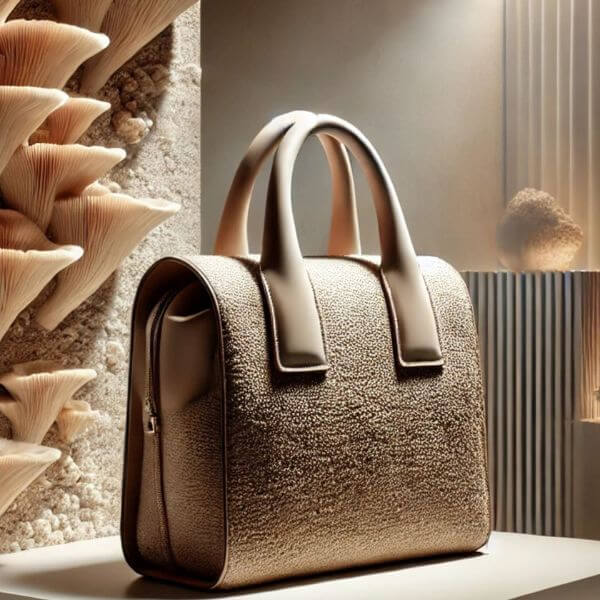
It’s honestly mind-blowing to see what’s happening with materials these days. If you thought “eco-friendly” just meant recycled plastic, get ready to be amazed. We’ve moved way beyond traditional hides into a world where your favorite bag might actually start its life in a forest or a fruit orchard. Sustainable leather is getting a massive upgrade thanks to some seriously cool science. Take mushroom leather, or mycelium; it’s grown from fungal roots in just a few weeks. It feels just as supple as the real thing, which is why big names like Hermès are already jumping on board.
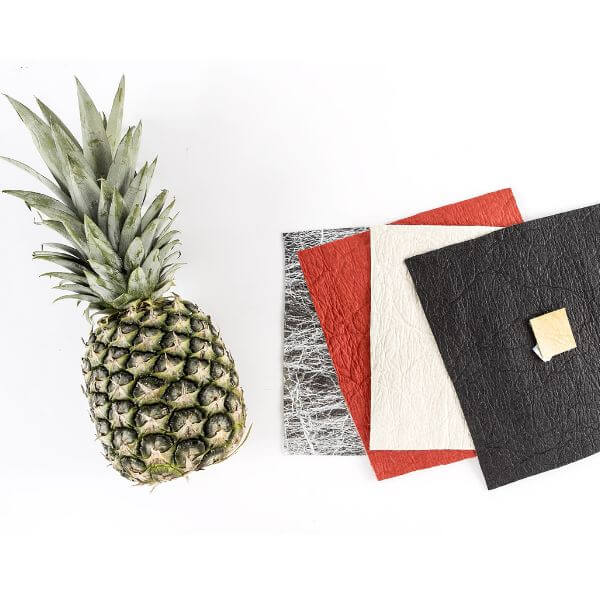
Then there’s Piñatex, which is essentially made from pineapple leaf fibres. I love the story behind this one—it uses agricultural waste that would’ve just been tossed aside, providing extra income for farming communities. It has this unique, rugged texture that looks incredible on sneakers or watch straps. If you’re looking for something even softer, cactus leather from Mexico is the new star. The nopal cactus needs almost no water to grow, and the best part? They just trim the leaves so the plant stays alive, continuing to soak up CO2 while your “leather” is being made.
Leather from apple is crafted from the pulp left over by pressing the apples and this turns the food waste into durable and beautiful wear. It’s these kinds of innovations that make sustainable leather so exciting. They are no longer a niche, “earthy” look; these are high-performance, vegan, and renewable options that are hitting mainstream stores everywhere. It’s fashion that finally feels as good as it looks.
The Economic Case
Look, I totally get it—the “sticker shock” is real. When you’re standing in a shop and see a sustainable leather bag that costs twice as much as a fast-fashion version, it’s hard not to wince. We’ve been trained by years of cheap, throwaway culture to think that a low price is a “good deal.” But if we’re being honest, those cheap items usually fall apart in a year, and we just end up back at the mall buying them all over again.
The way I look at it now is more about “cost-per-wear.” Sustainable leather isn’t just a purchase; it’s a long-term relationship. These pieces are often handcrafted by artisans who actually take pride in their work, using tanning methods that make the material get tougher and more beautiful as it ages. You’re buying one heirloom-quality piece that you might eventually pass down, instead of five plastic-coated versions that’ll just end up peeling and sitting in a landfill for a thousand years.
There’s also a really cool human element to the price tag. Because sustainable leather avoids those massive, automated chemical vats, it relies on actual people—skilled craftsmen and small family-owned cooperatives. When you pay a bit more, you’re often directly supporting a fair wage for someone who’s keeping a traditional craft alive. Plus, as the market grows toward that $85 billion mark, we’re seeing prices start to steady as the tech gets better. It’s a win for the planet, a win for the workers, and honestly, a win for your closet. It’s about owning things that have a soul and a story you actually feel good about telling.
How You Can Support the Sustainable Leather Movement ?
I’ll be honest with you: it’s easy to feel like one person’s shopping habits don’t change much, but your choices carry way more weight than you might think. Every time you tap your card for a sustainable leather belt or bag, you’re basically voting for the kind of world you want to live in. It’s about being a little more intentional. Before you buy, take five minutes to peek at a brand’s “About” page. Look for things like a “Gold Rating” from the Leather Working Group—it sounds technical, but it’s really just a way to know they aren’t dumping chemicals into local rivers.
Don’t be afraid to be “that person” who asks questions, either. If a brand is actually doing the right thing, they’ll be thrilled to tell you exactly where their hides come from or how they’re tanned. If they get weirdly vague or defensive? That’s usually your cue to walk away. Your curiosity is actually a superpower; it signals to companies that they can’t hide behind flashy marketing anymore.
And hey, give those “weird” materials a chance! Trying out a wallet made from cactus or sneakers made from pineapple leaf is such a fun way to support the innovators. You might even find you like the unique texture more than the standard stuff. But at the end of the day, the most sustainable thing you can do is just take care of what you already own. Condition your leather, fix that broken zipper, and treat your pieces like the future heirlooms they are. Keeping something for a decade instead of a season is the ultimate win for the planet—and your style.
Frequently Asked Questions About Sustainable Leather
1. Is sustainable leather actually as tough as the traditional stuff?
It’s a common worry, but here’s the truth: sustainable leather is often even more durable because it’s built with a “slow fashion” mindset. If you go with vegetable-tanned leather, you’re getting a material that doesn’t just sit there—it actually gets better, softer, and more resilient as it ages. While some early plant-based versions weren’t quite as rugged, the new generation of cactus and apple leathers are now engineered to handle daily wear and tear remarkably well. When a brand cares about the planet, they usually care about craftsmanship too, so these pieces are often made to be heirlooms, not disposables.
2. Does “sustainable” always mean “more expensive”?
In the short term, you might pay a bit more upfront, but I like to think of it as a “sanity check” for your wallet. A cheap, plastic-coated bag might cost $50, but when it peels and ends up in the trash after six months, it’s a waste of money. Sustainable leather is an investment in longevity. Plus, as we head into 2026, the market is growing so fast that prices are finally becoming much more competitive. We’re seeing more affordable options every day as the technology scales up.
3. How do I know if a brand is telling the truth?
Don’t just take their word for it! Look for the “receipts.” Real-deal brands will usually have certifications like the Leather Working Group (LWG) Gold Rating, which is the gold standard for environmental impact. Other names to watch for include PETA-Approved Vegan or the Global Organic Textile Standard (GOTS). If a brand is actually doing the work, they’ll have a transparency report on their site—they want you to know how they’re helping.
4. Is “vegan leather” always sustainable?
A lot of old-school vegan leather is basically just plastic (PU or PVC), which is made from petroleum and will sit in a landfill forever. If you want true sustainable leather, look for plant-based innovators like mycelium (mushroom), pineapple (Piñatex), or cactus. These use agricultural waste and natural fibres rather than just coating fabric in plastic.
5. Can I actually get these things repaired?
Yes, the sustainable leather—especially the vegetable-tanned variety—is a natural, high-quality material, it takes well to conditioning and repairs. Many eco-conscious brands even offer their own repair services because they’d much rather help you fix a beloved bag than sell you a new one.
6. Describe the difference between vegetable and chrome tanning?
Chrome tanning uses the heavy metals which can be nasty for the environment whereas the vegetable tanning process is slow which uses the artisanal process of bark and leaves.
7. Where can I even find these products?
It’s getting easier every day! You can find them at specialized boutiques, online eco-marketplaces, and even at mainstream retailers who are launching “conscious” lines. If you’re looking for a curated spot to start, check out MEMONENTERPRISES.in—they do a great job of vetting sustainable options so you don’t have to do all the detective work yourself.
8. How long will a sustainable leather bag actually last?
If you treat it right, we’re talking decades. High-quality sustainable leather is famously long-lived. It’s not uncommon for a well-cared-for vegetable-tanned piece to last 20 or 30 years, eventually becoming a vintage treasure, you can pass down. It’s the opposite of “fast fashion.”
9. Can I buy lab-grown leather yet?
We’re right on the edge of this becoming a common thing! As of 2026, companies like Modern Meadow and VitroLabs are moving from the lab to actual production. While it’s still a bit of a luxury “early adopter” item, you’re going to see a lot more of it hitting the shelves in the next year or two.
10. What happens when I’m finally done with it?
The beautiful thing about sustainable leather (especially the 100% plant-tanned stuff) is that it’s biodegradable. At the end of its very long life, it can actually return to the earth rather than polluting it. Many brands are also starting “take-back” programs where they’ll recycle your old gear into something new. It’s all about making sure nothing goes to waste.
Conclusion: Your Role in the Sustainable Leather Revolution
It feels like we’re standing at this massive turning point in how we dress and shop. For a long time, fashion felt like a “guilty pleasure,” but we’re finally moving into an era where our style can actually match our soul. Choosing sustainable leather isn’t just about picking out a cool new jacket; it’s a way to vote for the kind of future you actually want to live in. It’s a signal to the big brands that we care about clean water, fair wages, and clever materials that don’t leave the planet in a mess.
The global market has caught up to us, proving that luxury and ethics can finally sit at the same table. Whether you’re leaning toward a rugged, vegetable-tanned hide or a futuristic plant-based alternative, you’re making a real dent in the status quo. It’s not about being a “perfect” consumer—because let’s be real, that’s impossible—it’s just about making better progress.
You don’t have to overhaul your entire life overnight, either. Just start small. Maybe your next pair of boots comes from a brand that’s transparent about its tanneries, or you finally try out that cactus leather wallet you’ve been eyeing. Every time you ask a question in a store or share a cool eco-find with a friend, you’re creating a ripple. You have so much more power than the industry wants you to think. The sustainable leather revolution is already here, and honestly, it’s people like you who are leading the charge. Let’s make those choices count.

0 Comments